
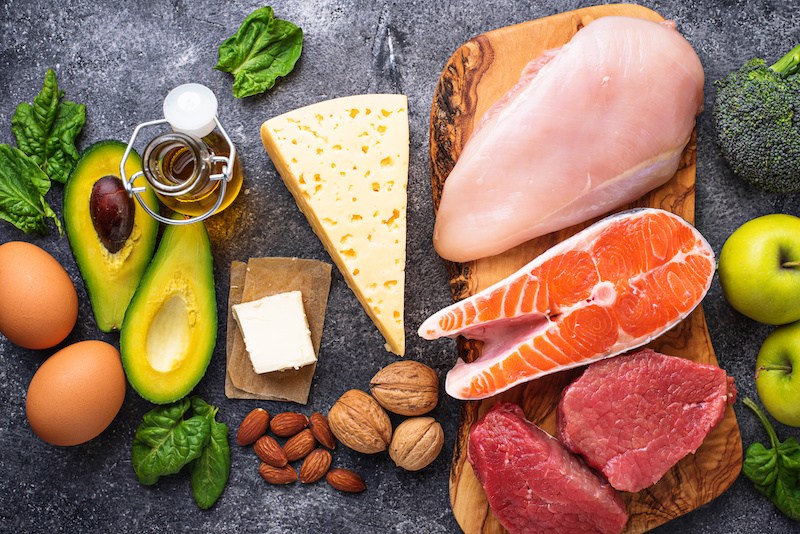
What Is a Type 1 Diabetes Diet?
Maintaining a healthy, restricted diet is crucial for type 1 diabetes management. A type 1 diabetes diet is designed to provide maximum nutrition, while limiting sugar, carbohydrates, and sodium. However, there’s no single universal diabetes diet. It involves being mindful of how you eat and how your body will respond to certain foods.
Why a Type 1 Diabetes Diet Is Followed
People with type 1 diabetes need to monitor their blood sugar levels. Without proper diet, exercise, and insulin therapy, a person with type 1 diabetes could suffer health complications.
Complications associated with this type 1 diabetes include:
- vision problems
- high blood pressure, which increases risk for heart attack, stroke, and poor circulation
- kidney damage
- nerve damage
- skin sores and infections, which can cause pain and may lead to tissue death
Following proper dietary guidelines can help mitigate the difficulties of type 1 diabetes and help avoid health complications. It can also improve your overall quality of life.
Preparing for a Type 1 Diabetes Diet
Just like there’s no standard treatment for type 1 diabetes, there’s no standard diet for diabetes. A nutritionist or dietitian can help you come up with meal plans and create a diet that works for you in the long-term.
It’s easy to reach for fast food and other processed foods when you’re short on time and money. However, these foods offer minimal nutrients and are high in fat, sugar, and salt. Planning your meals ahead of time and grocery shopping regularly can help cut down on any “emergency eating.”
A well-stocked kitchen of healthy food can also cut down on unnecessary sugar, carbohydrates, sodium, and fat that can spike blood sugar.
An important aspect of any diabetic diet is consistency. To maintain blood sugar levels, don’t skip meals, try to eat around the same time each day, and pay attention to food labels.
Starting a Type 1 Diabetes Diet
The secret to a type 1 diabetes diet is focusing on nutritious foods that are high in vitamins and minerals, while cutting down on foods that are high in fat, sugar, or empty carbohydrates. Here are some basic recommendations:
Fruits
Fruits are natural sources of sugar and should be counted as carbohydrates if you’re using a diet plan. Choose fresh or frozen, and opt for citrus fruits such as oranges and grapefruit when possible.
Vegetables
Starch is a form of sugar that naturally occurs in many common vegetables, such as potatoes, corn, and peas. Starchy vegetables aren’t bad, but they contain more carbohydrates than other vegetables and should be eaten sparingly.
Instead, focus on vegetables that have few carbohydrates but are rich in vitamins, minerals, fiber, and phytochemicals, including:
Most green leafy vegetables
- asparagus
- beets
- carrots
- celery
- cucumber
- onions
- peppers
- sprouts
- tomatoes
Always choose fresh or frozen vegetables without added salt or sauces.
Whole Grains
Your body will convert whole grains into sugar, but at least they’ll be packing nutrition and extra fiber. Brown rice, bran cereal, and whole grain breads are great sources of whole grains.
Carbohydrates
There are three types of carbohydrates: starches, sugars, and fiber. They can come in the form of beans, starchy vegetables, fruit juices, pasta, or bread. Carbohydrates turn into sugar in your digestive tract and are then absorbed into your blood stream. This raises your glucose level about an hour after you eat. It’s important to limit carbohydrates if you have type 1 diabetes.
Proteins
Proteins are extremely important in maintaining muscle and repairing wounds. Besides meat, proteins are found in beans and eggs. Proteins won’t directly raise your blood sugar, but processed or fatty meats also contain fat, sodium, and cholesterol. While these substances have no effect on diabetes, too much of them can have harmful health effects.
When to Eat
Knowing when to eat is just as important as knowing what to eat.
Eating smaller meals and progressively snacking throughout the day can make your blood sugar easier to monitor and prevent levels from peaking. Fruits, vegetables, nuts, and other foods travel easily and are great to have on hand when you need them. A healthy breakfast can get your blood sugar back up after a night’s rest.
Exercise and physical activity lowers blood sugar. If you’re going to do intense exercise, you’ll want to measure your blood sugar before and after you exercise. This well let you know how much you’ll have to eat to maintain a healthy level.
Source: http://www.healthline.com/health/type-1-diabetes-diet#Definition1